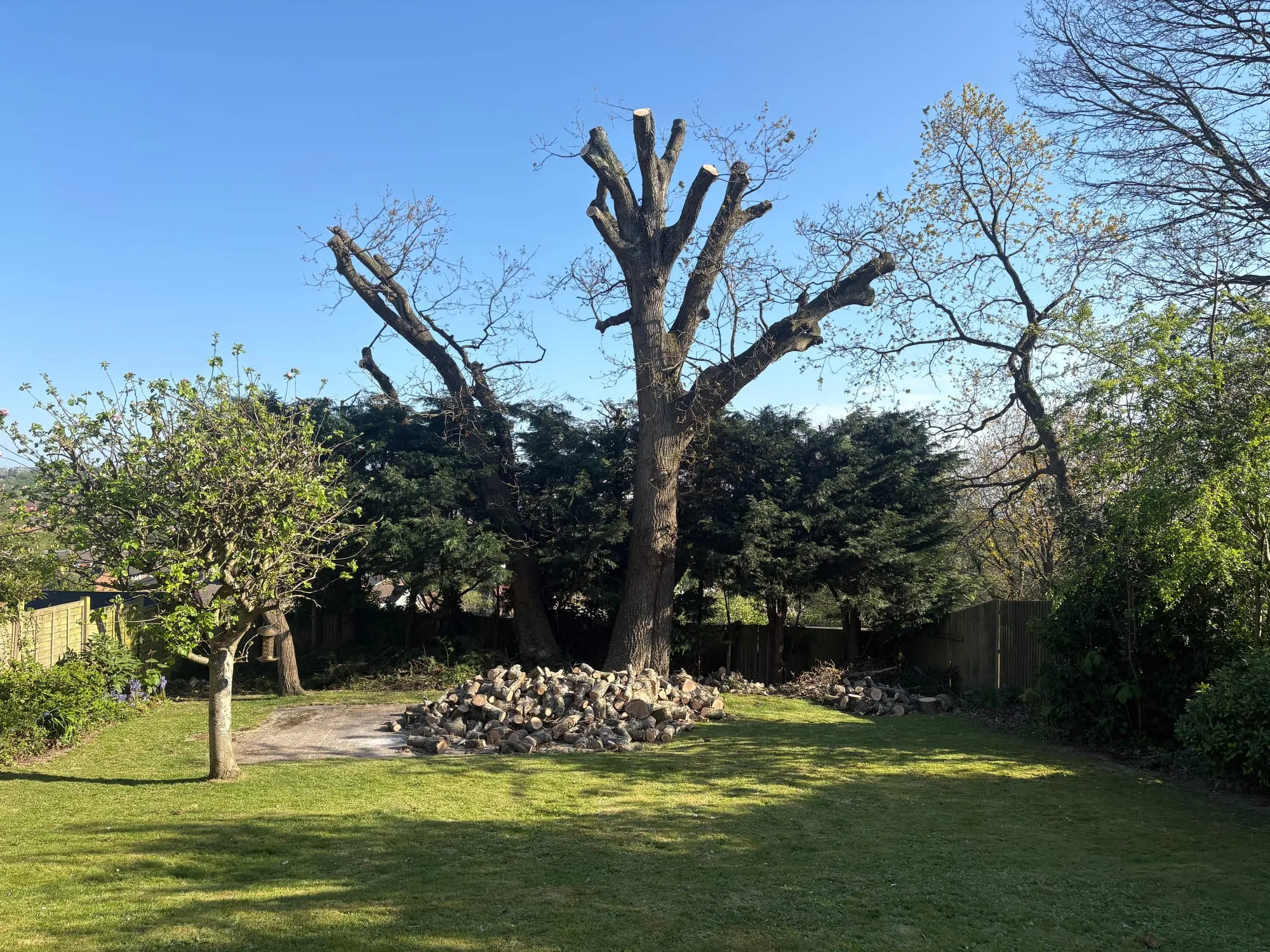
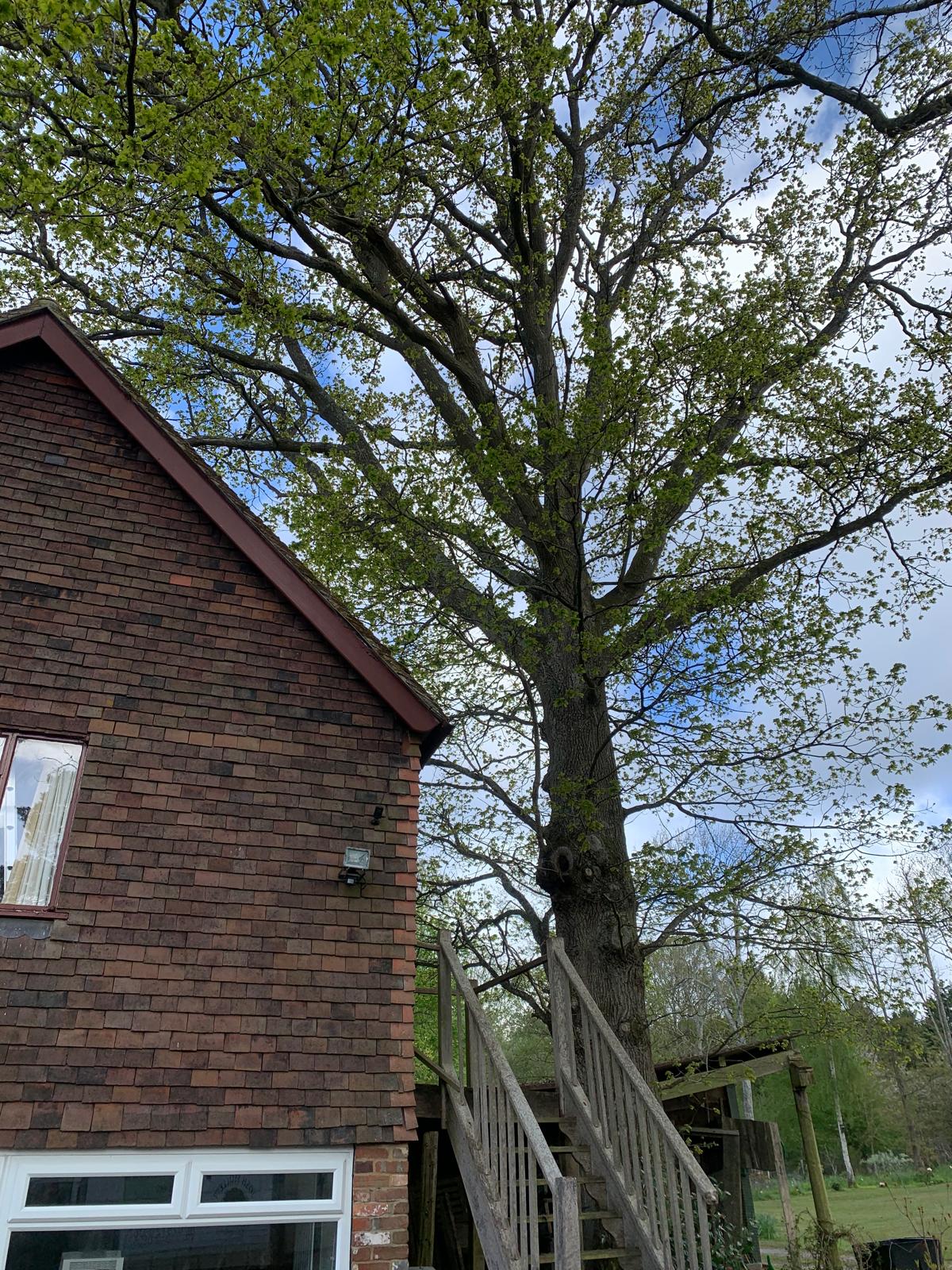
What “protected” means
Two things stop you cutting a tree in England without permission. A Tree Preservation Order is a legal order the council places on a specific tree, group or woodland. A conservation area protects every tree above 75mm in diameter, measured over the bark at 1.5 metres off the ground, whether or not it carries its own order.
Either way, felling, topping, lopping, uprooting or wilfully damaging the tree without written consent is an offence. The fine runs per tree, and the tree surgeon who did the work is liable as a separate party. So the first question on a protected tree is never “how do we cut it”. It is “is it protected, and if so, what does the council allow”.
First step: check whether your tree is protected
Before I quote on anything sensitive, I check. You can do the first pass yourself in about ten seconds.
Check if my tree is protected
Our free checker takes your postcode and tells you whether you are inside a conservation area, with a direct link to your council’s protected-tree map. It is a starting point, not the final word. A TPO can sit on one specific tree without the whole street being covered, and the council’s map is the definitive record. So if the checker says “clear”, I still look at the map before we put a saw in.
What I do
When a tree turns out to be protected, the paperwork is on me. It sits inside the quote.
- I confirm the protection against the council’s planning map, and ring the tree officer if anything looks borderline.
- I file the Section 211 notice (conservation area) or the full TPO application (an existing order), with the photographs, the species, the trunk diameter, the proposed work and the BS3998 reference.
- I wait for the formal written response rather than starting the day the clock runs out, because the council can place an order right at the end of the window.
- I work to whatever conditions come back. A percentage cap on the reduction, a limb to retain, a nesting-season window, a replacement tree. That part is not optional and not extra.
The two routes, and how long they take
- Section 211 notice, for a tree in a conservation area that is not already under an order: six weeks’ written notice. If the council does not object inside six weeks, the work can proceed as proposed, valid for two years.
- TPO application, for a tree that carries an existing order: the council has up to eight weeks and there is no deemed consent. Consent, once granted, lasts two years and usually comes back with conditions.
There is a fuller plain-English walk-through in the guide on TPOs and Section 211 notices, and a council-by-council version for Wealden, Rother, Hastings and Ashford.
Dead or dangerous trees
The rules step back for genuine danger. A protection order does not stop you making a tree safe where there is an immediate risk of serious harm. For a dead tree you give the council five working days’ notice before the work. For emergency work to remove an immediate risk, you do the minimum needed and notify the council straight after, with photographs and a written account of why.
The bar is real and imminent danger, not “I would rather it was gone”. I document the condition before any exempt work, because the burden of proving the exemption sits with the tree’s owner.
What it costs you
Nothing extra for the paperwork. It sits inside the quote for the work. I would rather do the job once, properly, with the council on side, than twice in a hurry with an enforcement letter on the kitchen counter. If a quote from elsewhere skips the paperwork question altogether, treat that as a flag.
Which council, and how to be sure
In East Sussex the council you apply to is the district or borough, not the county. Wealden inland and north, Rother inland and south and along the eastern coast, Hastings Borough inside the town, Ashford Borough over the Kent line at Tenterden. Send me the address and I will check the map and confirm which council before I quote. It costs you nothing and it is the answer before any saw comes out.